GozoLife
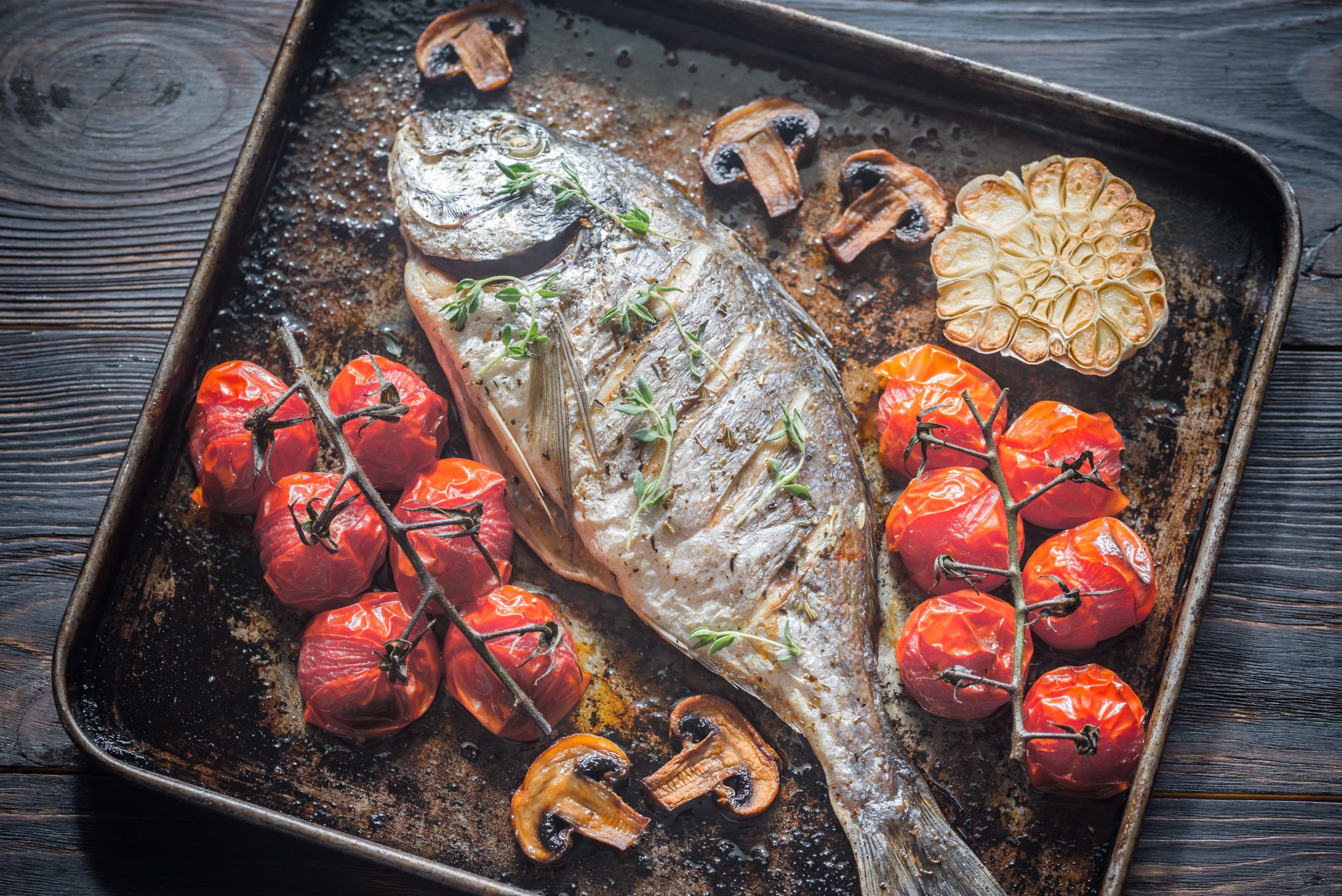
A whole sea bream baked on a tray with vine tomatoes, a halved head of garlic, mushrooms and thyme

Gozo

Where to eat

Eating out is not a holiday activity on Gozo, it is what people do. Families dine out midweek, Sunday lunch is an institution, and that is why the food here is better than an island of 39,000 has any right to expect.

  • Open all year
  • Lampuki from 15 August
  • Properly seasonal

Stock photograph

The habit that keeps the food good

Most small islands have restaurants that open in June and shut in October, and the food is what you would expect of a business with four months to make a year's money. Gozo does not work that way, because most of the people eating out are not visitors.

Maltese families come over for weekends and holidays in far greater numbers than foreign tourists do, and the 39,000 people who live here dine out as a matter of routine. A Gozitan restaurant has to satisfy somebody who will be back next month and whose cousin works in the kitchen. That is a much harder audience than a tourist who will never return, and the food reflects it.

The practical consequence: the places with local custom are better and cheaper than the places with the view, and they are the ones still open in February. The waterfront at Xlendi and Mġarr is genuinely good, especially for fish, because the supply chain is two hundred metres long. But the village restaurants in Victoria, Xewkija, Nadur and Kerčem are where the island eats.

What to actually order

Eight things worth going out of your way for, in roughly the order of how distinctly Gozitan they are.

  • Gozitan ftira

    Baked flat, not split and filled. Potato, onion, ġbejniet, anchovy on top. Different from the Maltese version and better.

    Read the guide →
  • Ġbejniet

    Sheep or goat cheeselets, in four states: fresh, dried, peppered, or in vinegar. In ravjul, on a ftira, or plain.

    Read the guide →
  • Torta tal-lampuki

    The autumn pie. Fish, spinach, cauliflower, olives, and in the proper version walnuts and sultanas.

    Read the guide →
  • Ħobż biż-żejt

    Crusty bread rubbed with tomato, then capers, olives, oil, often ġbejna and anchovy. The island’s default lunch.

  • Aljotta

    Garlicky fish soup, thickened with rice. A winter dish and a way of using the whole fish.

  • Fenek

    Rabbit, stewed slowly in wine and garlic or fried in the pan. The national dish of the Maltese islands rather than a Gozitan speciality, but taken seriously here.

  • Qassatat and pastizzi

    Pastry with ricotta, peas, or spinach and anchovy. From a bakery in the morning, not a cabinet in the afternoon.

  • Imqaret and qubbajt

    Date pastries and nougat. Festa food, sold from stalls outside the church during the summer feasts.

What is in when

Gozo is seasonal in a way that is unusual in Europe now. A menu in February genuinely is a different menu.

  1. January to March Minestra and aljotta weather. Citrus, cauliflower, broad beans. The bakeries are at their best because nobody is queueing.
  2. March to April Figolli for Easter, lamb and kid, the first of the new potatoes. Gozo potatoes are an export crop and the early ones are worth the fuss.
  3. May to July Tomatoes turn up properly. Kunserva season. Sheep are milking, so ġbejniet are at their freshest. Honey from the spring flowers.
  4. Mid-May to September Salt is harvested on the north coast at Xwejni. The pans run through the summer and the salt is sold in village shops and off the roadside.
  5. Late August to December Lampuki. The fleet works the palm rafts from 15 August, and torta tal-lampuki appears in bakeries from late September.
  6. September to November The grape harvest, prickly pears, and the start of the game season. Opera month in October fills Victoria’s restaurants on performance nights.
  7. December Qagħaq tal-għasel, the honey rings, and a village that eats at home. Book anywhere good well ahead over Christmas and New Year.

Drinking

Local wine is sold under the DOK Gozo designation and is worth ordering by the carafe in a village bar, where it tends to arrive with olives, zalzett, bigilla and galletti whether you asked for them or not. Those free starters are a real custom, not a tourist flourish.

There is one craft brewery on the island, Lord Chambray in Xewkija, which runs tours and names its beers after places here: Blue Lagoon, San Blas, Fungus Rock. There is also a coffee roaster, Vicky Coffee, which is more than most islands this size manage.

Thyme honey, extra virgin olive oil and sea salt from the Xwejni pans are the three things worth taking home. All three are made in small quantities by people whose names you can find out, which is the part that makes them worth buying rather than the label.

Read next

Questions

Where do locals eat in Gozo?

Out, constantly, and not usually in the places with the sea view. Maltese families dine out several times a week and the trade that survives February is the trade that locals keep going: village restaurants in Victoria, Xewkija, Nadur and Kerċem, and the fish places at Mġarr. The waterfront at Xlendi and Marsalforn is good but it is where everyone goes.

Do you need to book a restaurant in Gozo?

In July and August, yes, and on any Sunday lunchtime all year round, because Sunday lunch is an institution here rather than an option. Out of season midweek you can usually walk in, but check the place is open at all: many close one or two days a week from November.

What is the difference between Maltese and Gozitan ftira?

Malta’s is a ring-shaped loaf split open and filled, eaten cold. Gozo’s is baked flat with the toppings on it, closer to a pizza in form though not in taste, with potato, onion, cheeselets and anchovy. The baking tradition behind both was inscribed by UNESCO in December 2020.

Can you eat well in Gozo out of season?

Better than in season, in some ways. The winter dishes are the good ones, minestra and aljotta and the slow rabbit, the bakeries are not overwhelmed, and the restaurants that stay open are the ones with local custom to keep. The seasonal kiosks at the beaches do close.

Is the fish on Gozo menus actually local?

Some of it. Lampuki in autumn, swordfish most of the year, and whatever the small boats landed that week genuinely are. Gilthead bream and sea bass are on almost every menu all year, which is possible because both are farmed in the region at scale. Ask what is fresh and be prepared to order something you had not planned.

Where can you buy Gozo produce to take home?

The Victoria market for cheese, honey and vegetables; village shops and roadside stalls for salt from the Xwejni pans; the Nadur bakeries for ftira. Olive oil, honey and sea salt travel well. Ġbejniet do not, unless they are the dried or peppered kind.