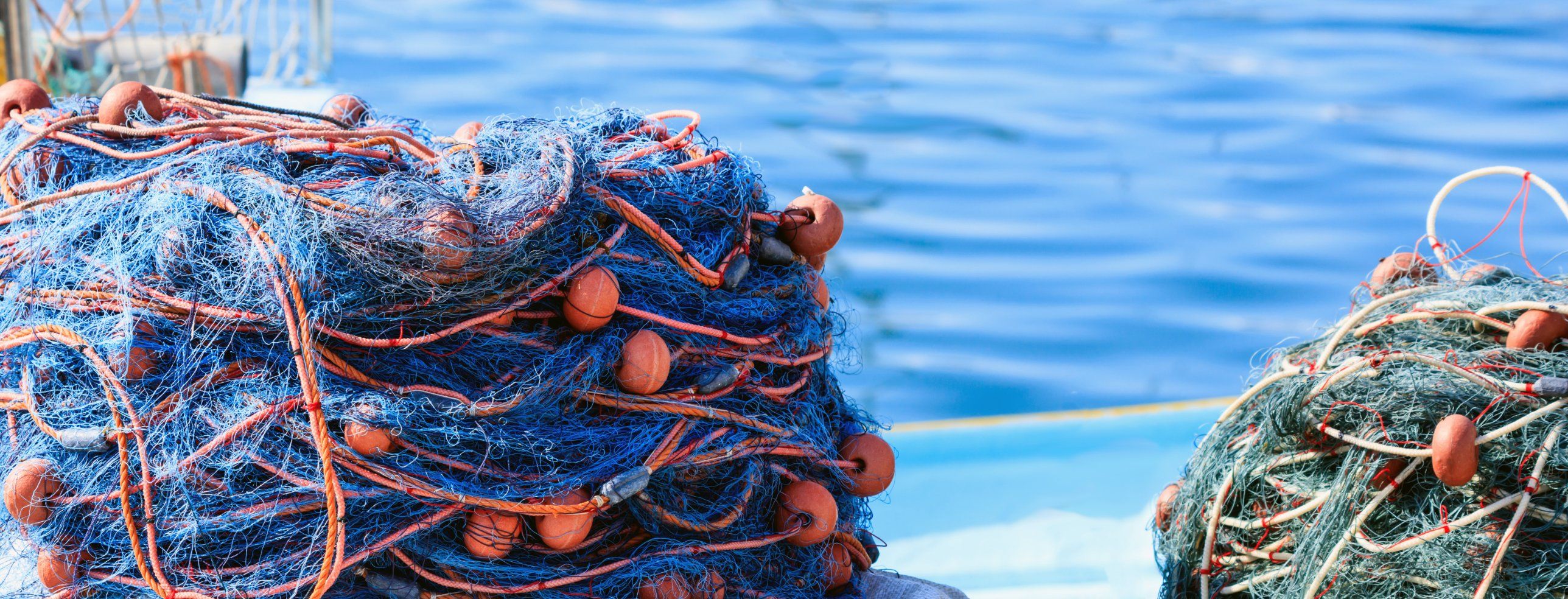
A working harbour, not a picture of one
Most of Gozo’s fishing fleet berths at Mġarr, which makes it the island’s most important port and, by number of boats, the second largest fishing port in the Maltese Islands. The painted hulls in the inner harbour are not kept there for the photographs. They go out.
Smaller numbers of boats work out of Xlendi and Marsalforn, pulled up on the slipways out of season and put back in when the weather settles.
Two traditional shapes are still in the water. The luzzu is the one on the postcards: double-ended, high prow, heavy. The kajjik is smaller, flatter at the stern, and in practice more common. Both carry an eye painted on the bow, which locals will tell you descends from the Phoenicians; whether or not that is literally true, nobody paints it ironically.
Alongside them you will see multi-purpose vessels, plainer and more modern, which now make up a large share of the registered fleet.
How the fleet actually fishes
The Maltese fleet is artisanal rather than industrial. Most boats are under ten metres and most of the catch comes off hooks and lines rather than nets. Set bottom longlining is the single most common method, worked seasonally by more than half the boats that go out at all. Trawlers exist but are the exception, and they are a different kind of vessel entirely.
What this means for anyone eating here is simple: the fish is landed in small quantities by many boats, so what is available changes week to week, and a restaurant that tells you the catch depends on the day is telling the truth.
The lampuki season, and the palm rafts
From 15 August to the end of December the fleet goes after lampuki, the dolphinfish, and this is the fishery that matters most to the local calendar. One fish is a lampuka, several are lampuki.
The method is older than it has any right to be. Fishermen cut the heavy lower fronds from palm trees and weave them into flat rafts called kannizzati, which are towed out and laid in a line. Lampuki are a surface fish with nowhere to shelter in open water, so by the middle of the day they gather in the shade underneath. The boat circles at a short distance trailing a jig, hooks one, and leaves it hanging over the side, which brings the rest of the school up alongside. Then the net goes over.
The rafts are not laid wherever a skipper likes. Each licensed boat draws a lot for a stretch of sea, a rimja, in an annual draw held by district. A licence holder has to lay a substantial run of rafts in a straight line, the sites start several miles offshore, and a corridor is kept clear of rafts altogether so that the swordfish longliners can work.
So when a Gozitan says the lampuki are late this year, it is not small talk. It is a season with a fixed opening date, a draw, and a quantity of woven palm behind it.
What is in when
Rough shape of the year, worth checking against what is actually on the ice:
| When | What is landed |
|---|---|
| April to July | Bluefin tuna (tonn) dominates the market |
| All year, steadily | Swordfish (pixxispad), the one fish landed in quantity every month |
| 15 August to December | Lampuki, peaking roughly September to November |
| Autumn and winter | Octopus (qarnit) and squid (klamar) |
| Year round, in small numbers | Grouper (ċerna) and the rock-dwelling fish taken on longlines |
Bogue is the small pelagic fish landed in the greatest numbers, with mackerel behind it. Prawns come off the trawlers rather than the small boats.
One honest note on menus. Gilthead bream (awrata) and sea bass (spnotta) are on almost every list all year, which is possible because both are farmed in the region at scale. There is nothing wrong with farmed fish, but it is not the same thing as the day’s catch, and the price sometimes suggests otherwise. If you want what came off a boat this week, ask what is frisk and be willing to be told it is something you had not planned to order.
Torta tal-lampuki
The autumn dish. A lampuki pie: the fish filleted and fried, then baked under pastry with spinach, cauliflower, olives, and, in the traditional version, walnuts and sultanas, which sounds wrong on paper and is not.
It appears on menus and in bakeries from late September, disappears by about January, and is one of the few genuinely seasonal things left on the island. Gozitan bakeries make it alongside the ftira and the qassatat, which is usually where the better ones are.
Where the fish goes
Some of the catch is sold directly off the quay at Mġarr in the morning, which is the closest thing Gozo has to a fish market and runs on an informal schedule. Some goes to the fish shops in Victoria and the larger villages. A good deal of it crosses on the ferry to Malta, including to the Sunday market at Marsaxlokk, and a share of the lampuki and tuna is exported.
The restaurants worth eating fish in are mostly the ones close to the water at Mġarr, Xlendi and Marsalforn, not because the view is better but because the supply chain is two hundred metres long.
Fishing yourself
Shore fishing off the rocks needs no licence for personal use and is a normal evening activity at Xwejni, Qbajjar, Ras il-Ħobż and along the Marsalforn coast. Bring your own everything; there is no tackle shop at the water.
Boat charters out of Mġarr will take you trolling, and in the lampuki months some will work the rafts. Bluefin tuna is a different matter: it is under tight international quota and recreational catch is regulated and in some seasons catch-and-release only, so take what the skipper tells you as the rule rather than a suggestion.
Spearfishing has its own rules, including on where and with what, and the rules on protected species and minimum sizes apply to you whether or not anyone is watching. The Fisheries Department publishes the current position, and it changes.
If you only do one thing
Be in Gozo in October, order the torta tal-lampuki, and eat it within sight of the boats that caught it. That is the whole of this page in one afternoon.
Elsewhere on the island
- Diving Diving in Gozo Why divers pick Gozo over Malta, the shore sites that make it unusual, what the water does through the year, and where the wrecks are.
- Eat & drink Ġbejniet: the Gozo cheeselet What ġbejniet actually are, the four ways you will meet them, and why Gozo makes them better than Malta does.
- Eat & drink The Gozitan ftira, and why it is not a pizza Malta's ftira is on the UNESCO heritage list. Gozo's version is a different thing again, and worth seeking out properly.